


Basement Ventilation Systems

Advanced HVAC for High Altitudes

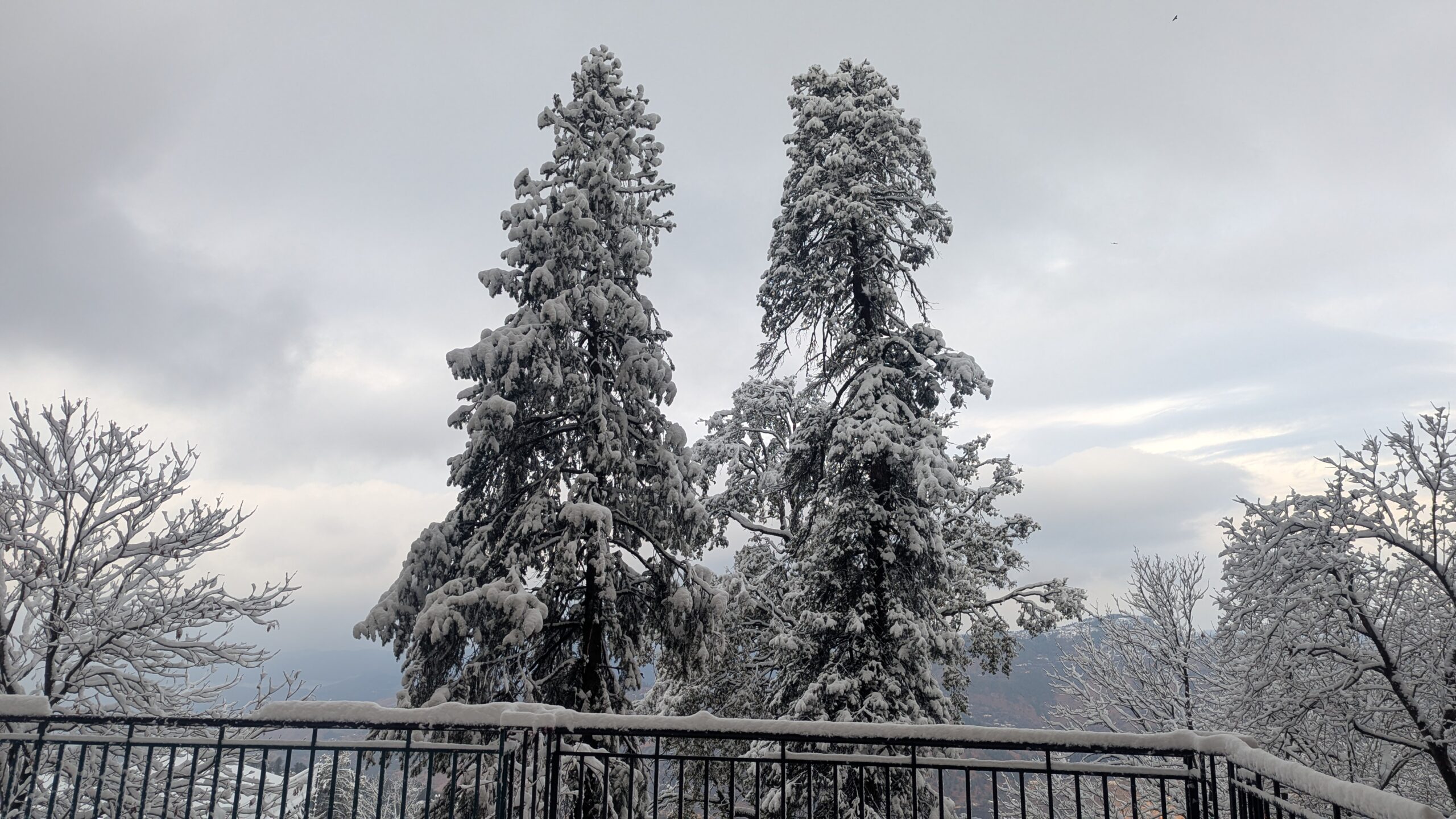
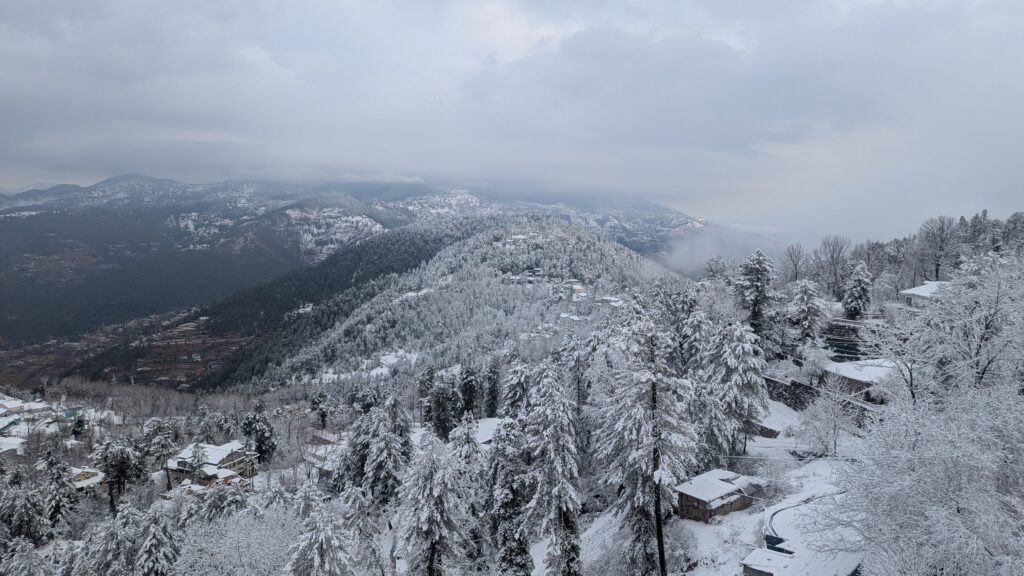
When the air gets thinner and the temperature drops below zero, standard HVAC systems fail. Emitsun provides specialized, high-altitude heating and cooling solutions designed to thrive in Pakistan’s northern climates, ensuring your home stays warm in the winter and crisp in the summer without the energy drain.

custom-image

Challenge of Climate Control at Elevation

At high altitudes, the air density is significantly lower, which means standard fans move less mass and heat exchangers become less efficient. Furthermore, the extreme diurnal temperature swings (hot days and freezing nights) put immense mechanical stress on traditional inverter units.

At Emitsun, we account for these physical variables by derating equipment and using altitude-specific calibration. We focus on Variable Refrigerant Flow (VRF) and Hydronic solutions that aren’t dependent on air density alone. Our systems are engineered to provide consistent 24°C comfort even when the outside temperature hits -10°C, utilizing Low-Ambient technology that prevents outdoor units from freezing over.

Our Hilly Area Temperature Solutions

We offer three specialized systems engineered specifically for the atmospheric pressure and temperature profiles of mountain regions.

Advanced HVAC Solutions for High Altitudes

High-Altitude Compatible HVAC Systems

High-Altitude Compatible HVAC Systems

Standard furnaces lose 10%–20% of their heating capacity above 2,000 meters due to low oxygen levels. Emitsun uses Sealed Combustion Units and altitude-derated heat pumps that maintain 95% efficiency by precisely adjusting the air-to-fuel ratio for thin atmospheric conditions.

Variable Speed and Smart Climate Control Systems

Variable Speed and Smart Climate Control Systems

Mountain climates see 20°C temperature swings in a single day. Our Variable Speed Compressors adjust in 1% increments to match these shifts, preventing the energy-wasting on/off cycling of standard units and reducing electricity spikes by 30%.

Energy-Efficient Heating Solutions

Energy-Efficient Heating Solutions

We deploy Low-Ambient Heat Pumps designed for 2026 climate standards. These units extract heat from outdoor air even at -25°C, providing a COP of 2.0, meaning you get twice the heat output for every unit of electricity consumed.
Types of Hilly Area Climate Systems We Offer

service-image

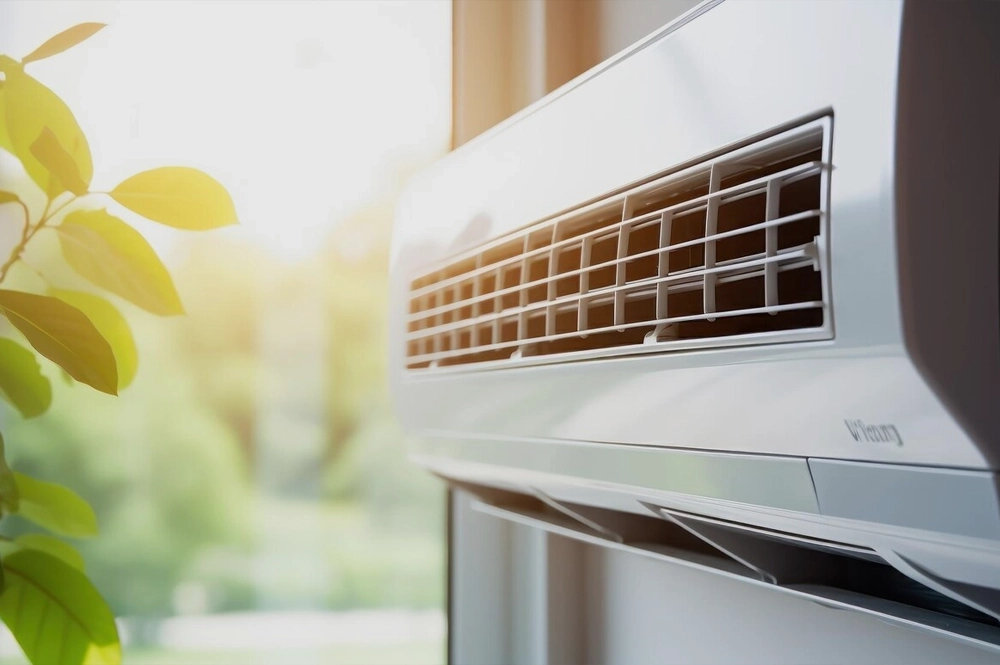
Low-Ambient Heat Pumps

Unlike standard ACs that stop heating at 5°C, our Hyper-Heat units operate at 100% capacity down to -15°C. They feature specialized base pan heaters to prevent ice buildup.

Best for: Residential villas in Murree and Galyat.
service-image

Zoned VRF Systems

Variable Refrigerant Flow (VRF) allows you to heat the bedroom while keeping the sun-drenched lounge cool. It moves refrigerant, not just air, making it 30% more efficient at high altitudes.

Best for: Hotels, guest houses, and large mountain estates.
service-image

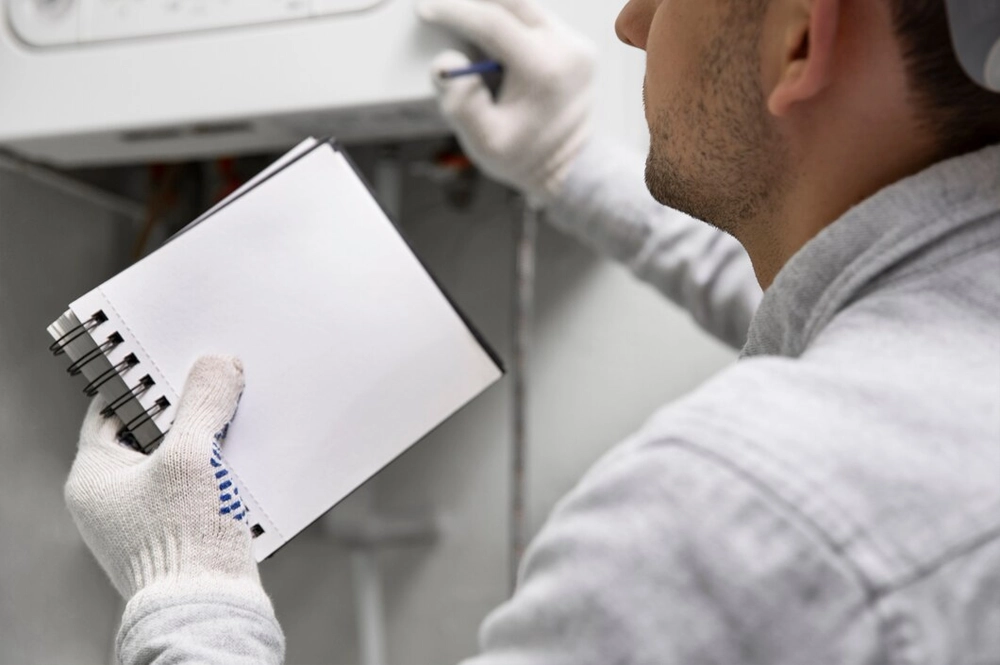
Radiant Hydronic Heating

By circulating warm water through floor pipes or radiators, we provide silent heat that doesn't dry out the air, a common problem in the thin, dry atmosphere of the north.

Best for: Luxury cottages and areas with frequent snow.

Equipment We Use

service-image

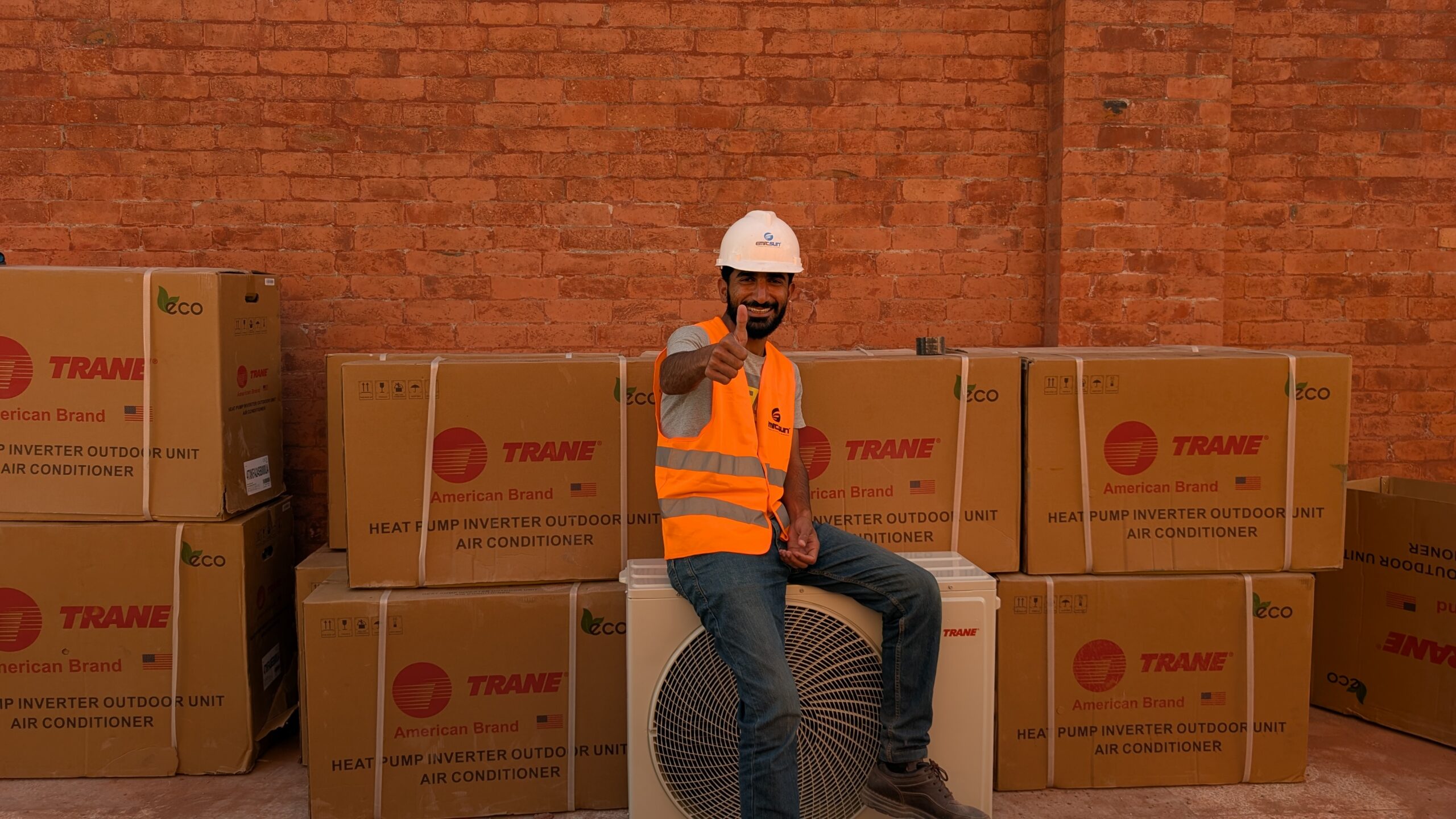
Inverter-Driven Compressors

Our compressors ramp up slowly, which is vital for the unstable voltage often found in rural hilly areas. They maintain a steady temperature rather than the noisy on/off cycle of older units.
service-image

Altitude-Adjusted Fan Motors

Because mountain air is thinner, we use fans with adjustable Static Pressure settings. We increase the RPM (Rotations Per Minute) to ensure the same volume of air reaches your rooms as it would at sea level.
service-image

Sealed Combustion Furnaces

For gas-assisted heating, we use sealed units that draw oxygen from outside. This is a critical safety feature in high-altitude homes where oxygen levels are already lower.
Our Hilly Area Installation Process

  1. Barometric Calculation: We adjust the air-to-fuel and airflow ratios based on your specific elevation (meters above sea level).
  2. Thermal Envelope Analysis: We check for heat leaks in mountain stone-work and suggest insulation upgrades to keep the heat inside.
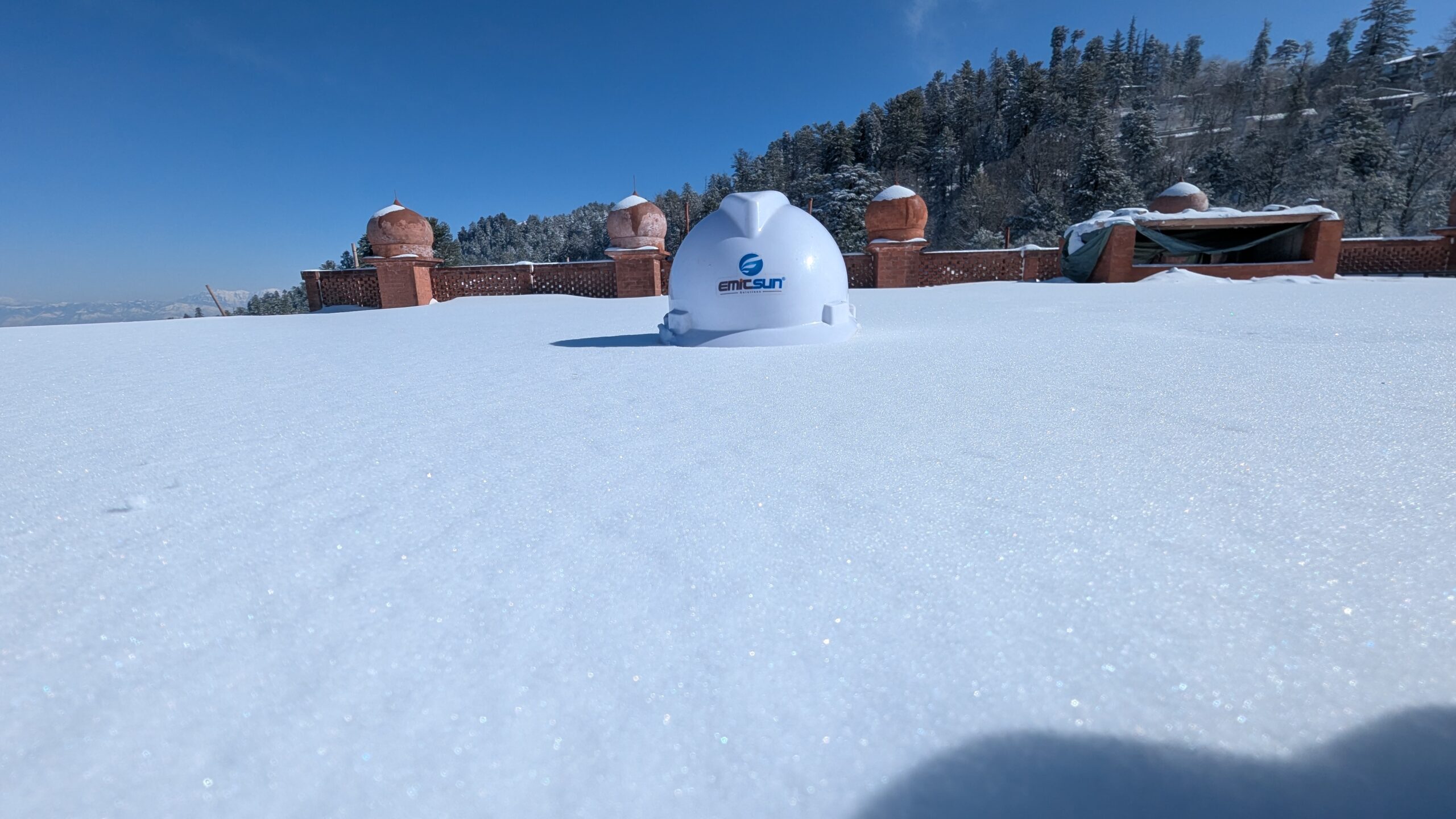
  3. Snow-Load Planning: Outdoor units are installed on specialized elevated snow stands to keep them clear of winter accumulation.
  4. Anti-Freeze Commissioning: For hydronic systems, we use food-grade glycol to ensure pipes never burst during power outages.
  5. Smart Staging: We program your system to stage the heat, preventing the massive power surges that often trip local transformers in hilly grids.

Why Choose Our Services

-20°C Rated Gear

Our equipment is tested for the Karakoram and Himalayan climate profiles.

Voltage Stabilizing Tech

Integrated protection against the power fluctuations common in Northern Pakistan.

Oxygen-Safe Engineering

We prioritize ventilation to ensure indoor air stays fresh and oxygen-rich.

Remote Monitoring

Control your mountain cabin’s temperature from Islamabad via your smartphone before you arrive.

Expert Snow Defrost

Advanced Demand Defrost cycles that save 15% on energy compared to timed defrosts.

Frequently Asked Questions

Most standard inverters struggle once the temperature drops below 5°C. They spend more time defrosting than heating. Our hilly-area units are specifically built for sub-zero performance.
Heating thin air often leads to dry skin and sore throats. We often integrate whole-home humidifiers into our mountain setups to maintain a comfortable 45% humidity level.
We install outdoor units on wall brackets or 18-inch stands and provide hail guards to protect the sensitive fins from heavy snow and icefall.
In 2026, with gas shortages, we recommend Hybrid or Dual-Fuel systems. They use high-efficiency electricity for moderate cold and switch to gas only during extreme freezing dips.
Due to the heavy workload in winter and the high-dust environment, we recommend a Pre-Winter Tune-up in October and a Post-Winter Clean in April.